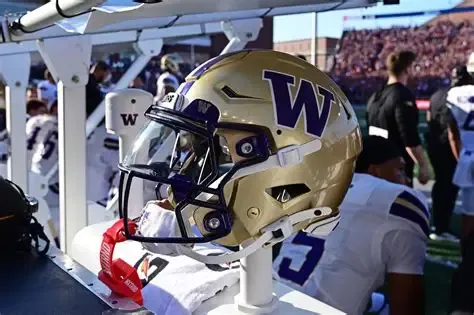
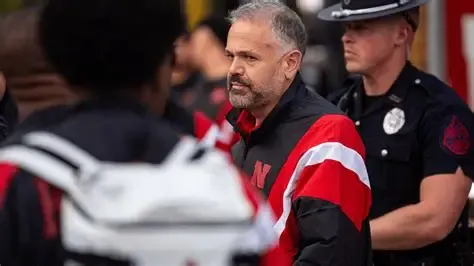

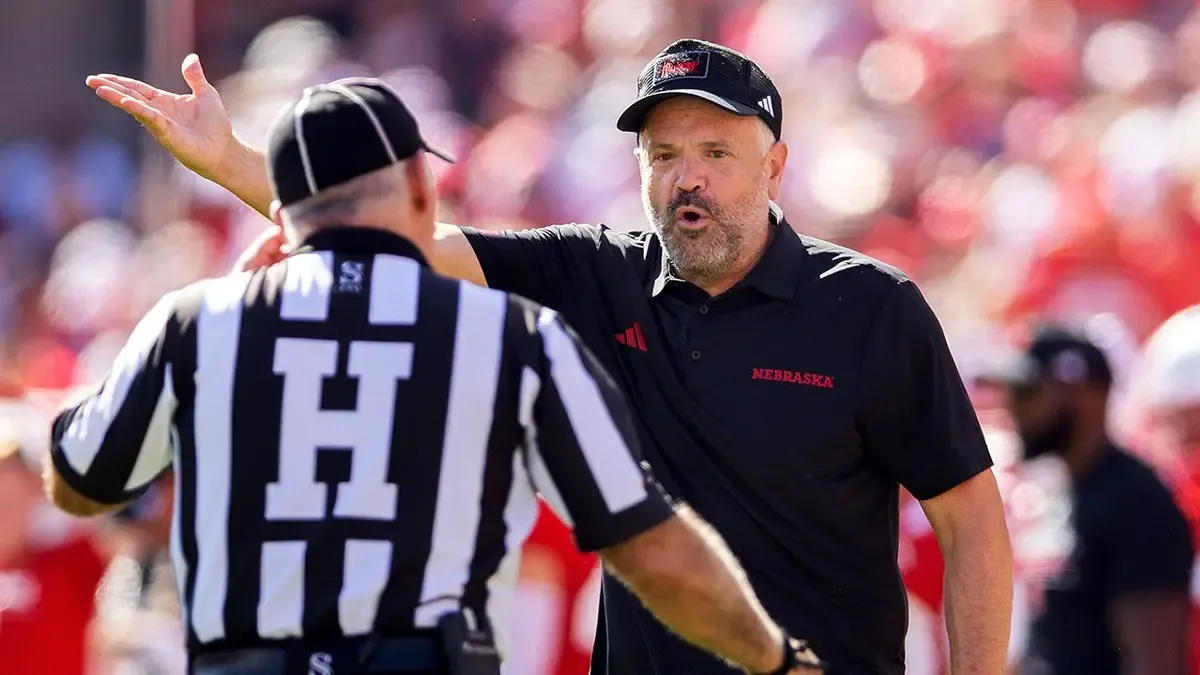
The second annual Blackout at Memorial Stadium was supposed to be the reset button. After a bye week, with a raucous 86,097-strong crowd dressed in black, new black-and-metallic-red alternate uniforms, a skull-and-crossbones midfield logo, fireworks, and a Halloween night atmosphere, Nebraska was expected to handle an average Washington team and regain momentum heading into November. Instead, the Huskers delivered another familiar late-game collapse, falling 17-10 and extending a three-game losing streak in which they have blown fourth-quarter leads each time.
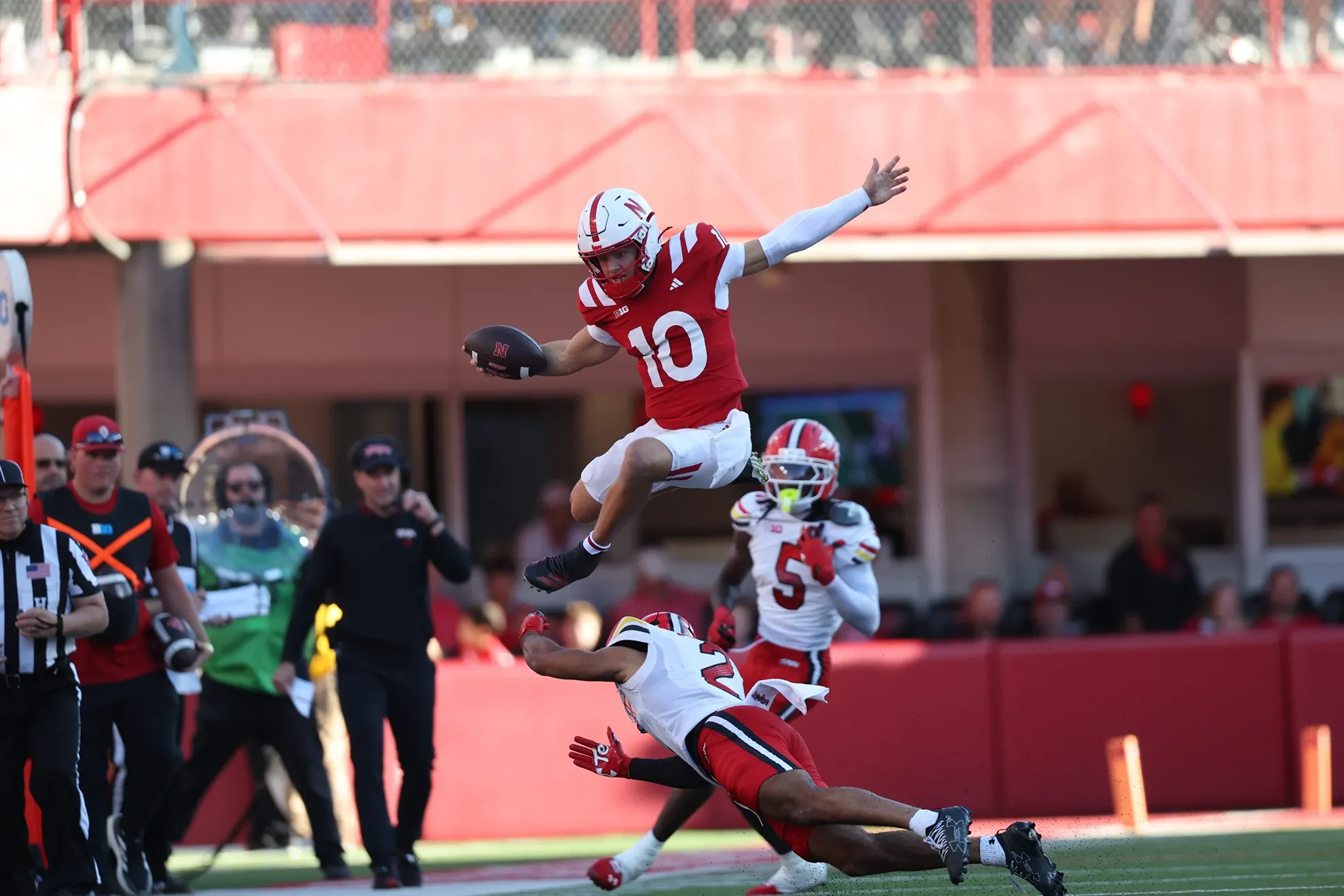
Nebraska scored first on a 10-play, 95-yard drive capped by Anthony Colandrea’s 24-yard touchdown pass to tight end Carter Nelson late in the first quarter. Washington managed only a 50-yard field goal before halftime. The Blackshirts defense was dominant for most of the night, holding the Huskies to limited production through three quarters. But the offense repeatedly failed to turn yardage into points. Nebraska finished with 387 total yards (132 rushing, 255 passing) yet scored only 10 points. Colandrea completed 24 of 44 passes for 255 yards, one touchdown, and three interceptions, two of them early in the game. One of those was returned 48 yards for a touchdown by Alex McLaughlin.The decisive sequence came in the final minutes. Trailing 7-3 entering the fourth, Nebraska still led until Washington inserted Demond Williams Jr. at quarterback. Facing fourth-and-18, Williams found Chris Lawson for a critical conversion; two plays later, Lawson scored on a 25-yard catch-and-run to give the Huskies a 10-7 lead with about 1:30 left. On Nebraska’s next possession, Colandrea threw his third interception, which McLaughlin returned for the clinching score. John Hohl’s 42-yard field goal with 31 seconds remaining made it 17-10, but Washington recovered the onside kick. Earlier in the fourth, Kyle Cunanan missed a 36-yard field goal that would have extended the lead.
This marked the third consecutive game in which Nebraska held a fourth-quarter lead and lost: a 17-6 edge against Indiana that ended 20-17, and a 14-6 lead against Oregon that finished 17-14. The total margin of the three losses is just 13 points. Against a Washington defense that entered the game as a middle-of-the-pack Big Ten unit (around 51st nationally in total defense), the Huskers managed only one touchdown on 74 plays. Special teams again contributed to the frustration.
The crowd’s mood shifted from electric to hostile. Boos started in the third quarter and intensified. After Washington took the lead, fans threw trash and other objects onto the field, prompting the public-address announcer to repeatedly ask them to stop. Offensive coordinator Dana Holgorsen was booed as he left the field.
In the postgame and Monday press conferences, head coach Matt Rhule took personal responsibility for the fourth-and-18 defensive call (a corner blitz that allowed the conversion). He praised the defense’s overall performance as one of the most dominant since his arrival in Lincoln and noted that winning is extremely difficult with a 3-0 turnover deficit plus a missed field goal. He also said the team had 220 yards in the first half but only seven points to show for it. On offense, Rhule defended Holgorsen, calling him “one of the best minds of our generation”. Rhule emphasized shared responsibility rather than pinning the loss on any single coach. He also used a boat metaphor: “Don’t take a rocking boat and a rocking sea and rock it even more.” Holgorsen will call plays from the press box against Illinois this Friday in a short week. The message from the head coach is continuity and not rocking the boat further.
Nebraska clearly has the defensive talent and enough overall ability to be competitive in the Big Ten. The recurring issues, an offense that accumulates yards without consistently scoring, turnovers at critical moments, special-teams inconsistency, and a lack of a clear offensive identity, have now produced three straight agonizing losses. Whether the program addresses the offensive problems head-on or continues to emphasize stability will determine if November improves or simply repeats the same script. As it stands, another difficult month appears likely.