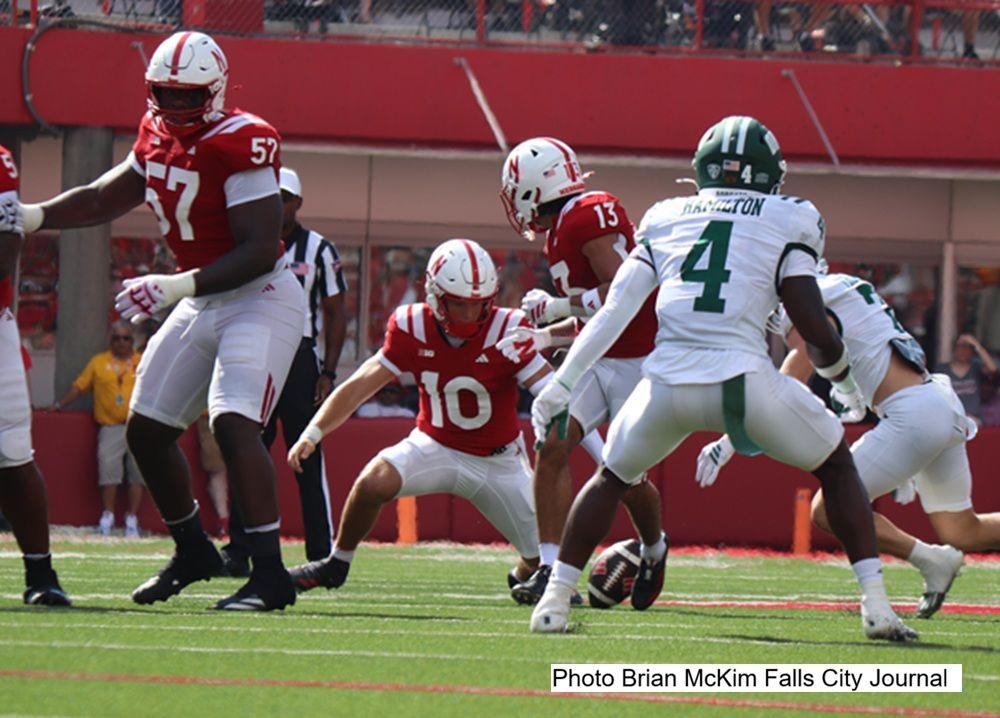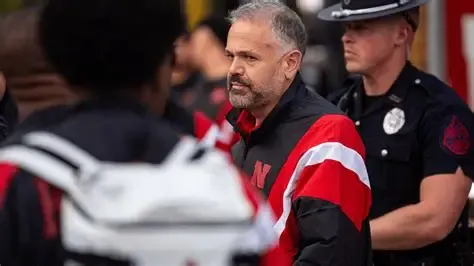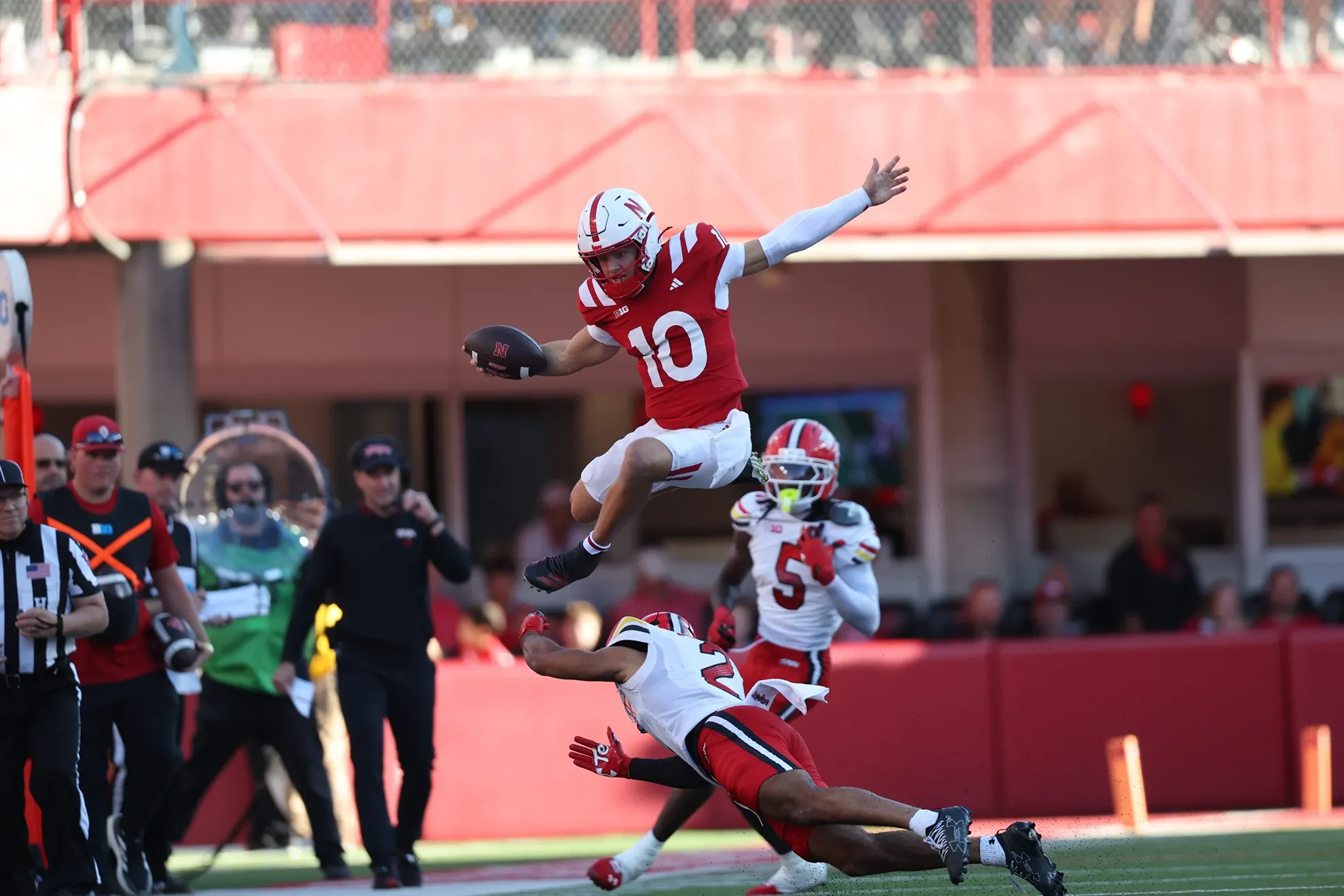
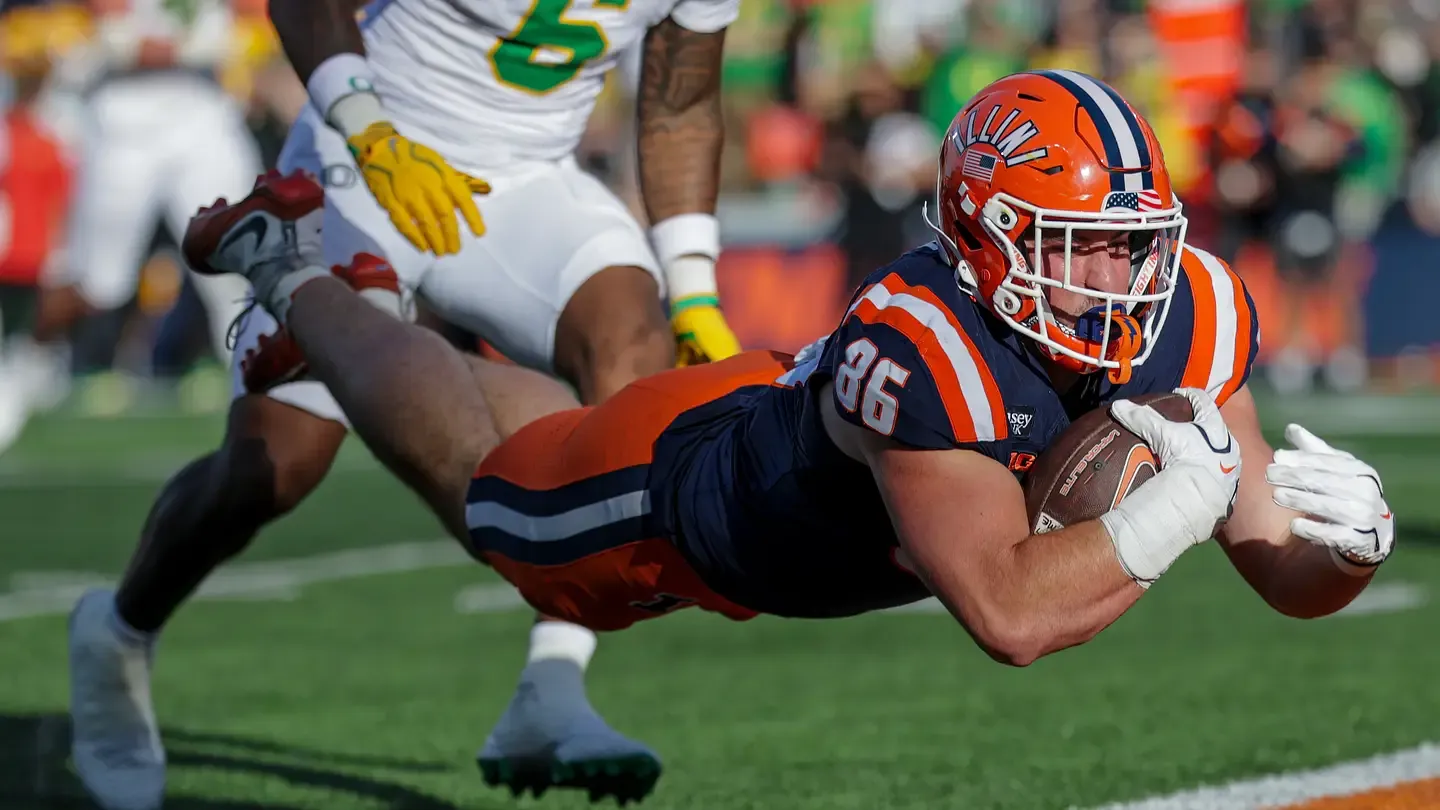

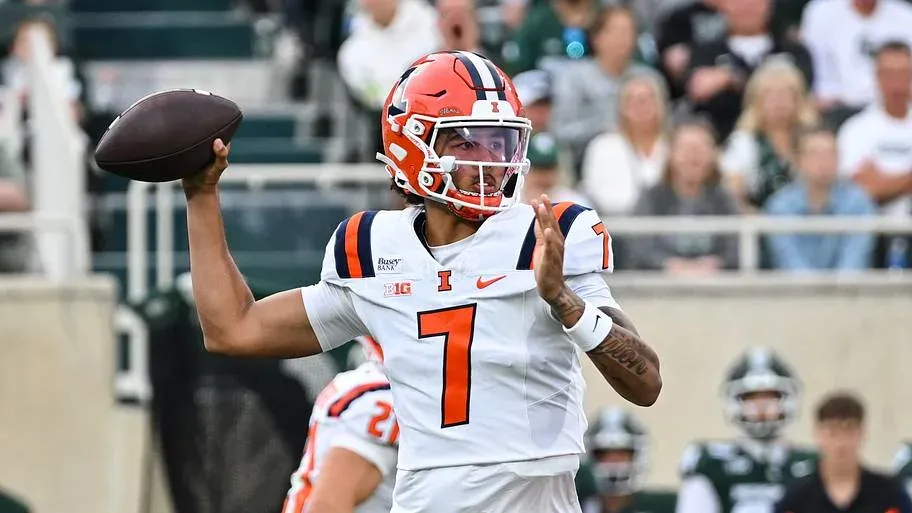
Friday night in Champaign should, on paper, belong to the Cornhuskers. Nebraska arrives with the better offense, the clearly superior defense, and a roster that has spent most of the season looking like a team that can contend in the Big Ten. The problem, as it has been for much of the Matt Rhule era, is that the paper and the result have often disagreed, especially when the calendar gets to November, and the lights come on under Friday night. The Huskers are favored by roughly 4.5 to 5.5 points. The numbers support that lean. History under Rhule on short weeks and Fridays does not.
The Blackshirts remain one of the nation's best defenses. Nebraska allows just 15.6 points per game and ranks eighth nationally in total defense. They lead the nation in third-down defense and rank among the top 15 in several other key defensive categories. Illinois, by comparison, allows 24.3 points per game and sits well down the Big Ten rankings in both total defense and pass defense.
Offensively, the gap is smaller but still real. Anthony Colandrea has thrown for 1,825 yards and 15 touchdowns. Nebraska averages 32.4 points and roughly 425 yards per game. Illinois sits at 29.0 points and around 394 total yards. The Husker passing game should work against one of the B1G's worst passing defenses. In a vacuum, that combination of a top-tier defense and a more productive offense should be enough. Vacuum conditions rarely apply in Big Ten road games in November, and they apply even less when Matt Rhule is the coach.
Rhule has spent the last month watching his team hold fourth-quarter leads against Indiana, Oregon, and Washington and lose all three by a combined 13 points. Close games continue to expose the staff. The offense has leaned too heavily on the pass at times, and late-game execution has repeatedly broken down. Bret Bielema, by contrast, has Illinois playing with the kind of physical, situational toughness that has defined his best teams. The Illini are 15-4 at home over the last three seasons and have shown they can win the ugly, low-possession games that this matchup is likely to become. Bielema has the better résumé in tight spots and the home crowd behind him. Illinois is also 12-5 in games decided in the final minute or overtime under Bielema, including nine straight wins in those situations. Another factor you can’t measure with analytics is the passing of Bret Bielema’s father this last Sunday. While no stat records the win-loss record after the passing of a parental figure, I’d assume it leans heavily toward wins. The whole Illinois team will have something extra to fight for.
There is a major red flag that not many people are mentioning. Rhule is 1-5 in Friday games. The lone win came in Champaign in 2023; the losses include a 2024 overtime defeat to these same Illini and last year’s road loss at Minnesota. Short-week preparation has been a consistent problem. Practices get condensed, recovery is limited, and the Huskers have looked flat and poorly coordinated in similar spots. Illinois is better positioned for the quick turnaround. Bielema’s teams have historically handled bye weeks and compressed schedules well, and the Illini are coming off a gritty road win that required them to manage the final minutes. Home-field advantage at Gies Memorial Stadium should matter in a game that figures to be decided by one or two plays.
Nebraska’s defense will keep this low-scoring and competitive for most of the night. Colandrea and the offense will move the ball at times and create red-zone chances. But in the end, Bielema’s experience managing close games, the home crowd, and Rhule’s track record on Fridays and short weeks will make the difference. Illinois finds a way late in a game that never opens up.
Final score: Illinois 17, Nebraska 14.