
Monday in Lubbock, Texas a judge ruled against the NCAA and will allow Texas Tech QB Brendan Sorsby to play this season. This comes after Sorsby was found to have placed bets on his own team while at Indiana. Not once, but over 40 times. This was clearly a violation of the NCAA rules and something that has been enforced for years.
To say the college football world is up in arms over this is an understatement. So much so, that it will not be ignored. Action will be taken. By whom is yet to be determined but I can’t and don’t believe Sorsby will be allowed to play without significant ramifications.
What really bothers me is that Sorsby blatantly broke the rules and then when caught ran to court, where his argument was that he’s received treatment for his addiction and not being allowed to play would cause him imminent and irreputable injury. Really? If he in fact immersed himself in treatment, he’d be able to recognize the severity of what he’d done and realize there was no turning back, thus accepting his fate rather than fighting it. But like his gambling, he found 5 million reasons not to do the right thing.
There is failure here at multiple levels and placing blame on any one individual would be ludicrous. But for me it starts with the program and players at Texas Tech. It starts with self-governance. Something that is evidently lacking at Tech because you know there were players that were aware of Sorsby’s gambling.
It isn’t right and it reminds me of a scene from the movie ‘Cool Hand Luke’ when a prison guard says, “Sorry Luke. I’m just doing my job. You gotta appreciate that.” Luke never looks up, he just continues to undress to get in the hot box, “Nah – calling it your job don’t make it right, Boss.”
Like Boss, nobody at Texas Tech can ask you to appreciate what’s happening with Brendan Sorsby, because no matter how they try to spin it or justify it – It just isn’t right.
Self-governance is the Answer
So, how do teams fight this moving forward? With a Unity Council.
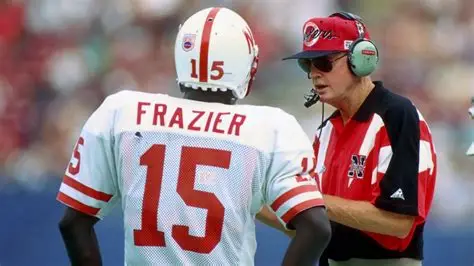
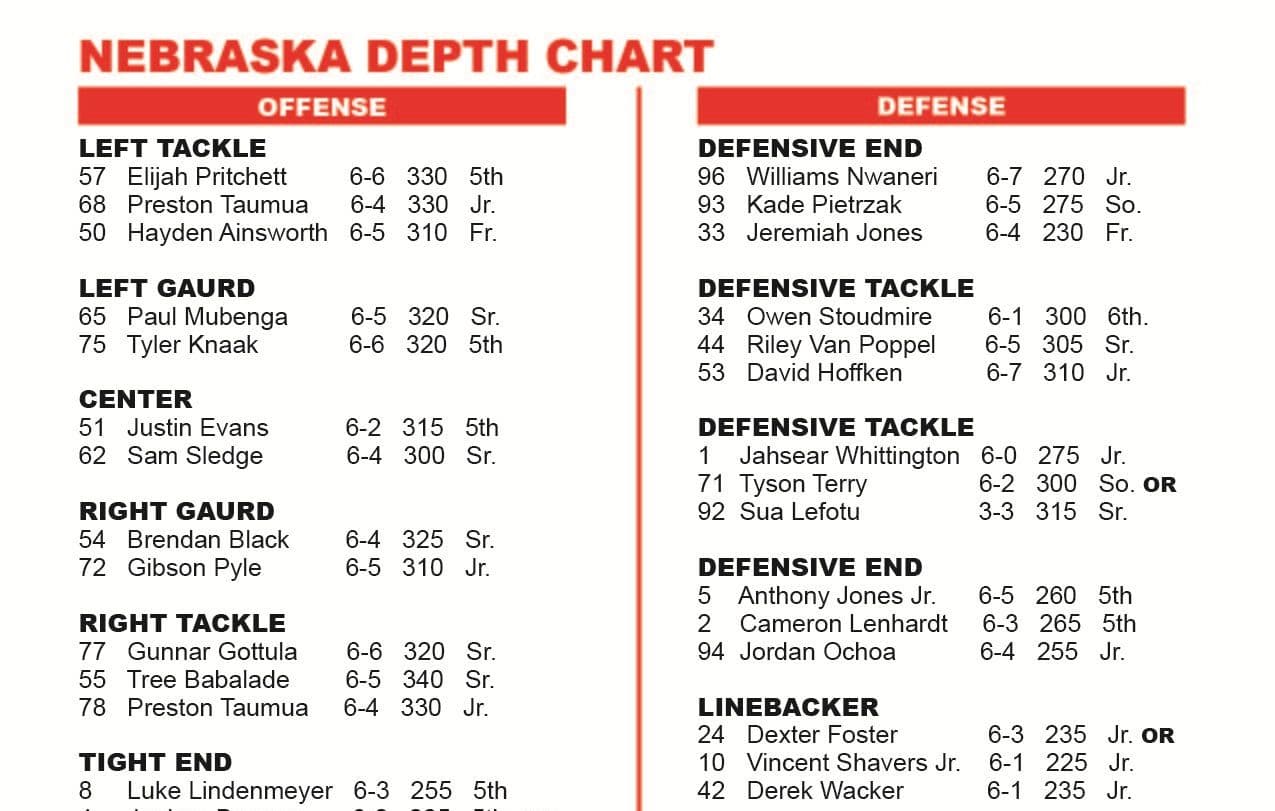
Nebraska football’s first Unity Council was created in 1991 by head football coach Tom Osborne. Osborne felt his team wasn’t unified, players seemed to have their own agendas. Some played for themselves and not for the team. Others could only see their own future, showing no responsibility to the university or the state they represented. There was fighting between walk-ons and scholarship players, bickering between players from urban areas and players with rural backgrounds, and racial tensions also existed. Cliques within the team were common.
It was a broken group of individuals who were unwilling to work together towards a common goal. This was something Osborne identified and realized needed fixed if his team was to have any success on the field. So, Osborne sat down with team psychologist Jack Stark and together they created the Unity Council.
The idea was simple. Players would be held accountable by their peers. The council would consist of a group of players selected by fellow teammates who were on the roster for that season. Two players from each position group plus one kicker would be selected so that the voice of each group would be heard. A total of 17 members would be on the council.
The main objective of the council, internal discipline. That was handled by implementing a point system. If players got in trouble they lost points for infractions. This included missing classes or practices and criminal charges outside of football. Punishment was received when points were lost, the harsher the infraction, the harsher the discipline. The biggest factor in all of this was that the player being punished had to stand in front of the Unity Council and explain himself for what he had done. It wasn’t easy to stand in front of team leaders and explain why you were being an idiot.
The Unity Council met once a week. Everyone started with 5 points. Missing a class cost one point. A felony arrest would take all five points. When all the points were gone the player would be suspended from the team. If they were eventually reinstated, they were giving five points again. But if they lost their points a second time, they would be kicked off the team. In Sorsby’s case, I would think betting on your team would cause you to be automatically kicked off the team permanently.
The Unity Council ensures everyone is on the same page, creating an environment that puts the team above players and their egos. It’s a system that creates peer accountability and communication. A system that sets the standards of a program and maintains them. This is obviously lacking at Texas Tech and almost every university across the county.
Could the Sorsby fiasco have been avoided if Texas Tech had a Unity Council in place? I believe it could have, unless the whole team consisted of gamblers. Surely there would have been a Gary Bertier who would have went to Coach Herman Boone and said, “Coach, I want Ray off the team.”
What Happens Next
We’ve already seen conferences other than the Big XII react to the ruling. From the Big Ten, Nebraska AD Troy Dannen has come out and said Nebraska would not schedule any athletic events with Texas Tech moving forward. SEC school Georgia has said the same and I believe you will see this from almost every school in the country. There have been rumors of Big XII schools saying they won’t play Tech at all, however, it’s unclear how they would go about that. Several conferences, including the Big XII, met Tuesday to discuss the situation and how to address it moving forward.
But this is an opportunity for a thousand different people to get involved and make this right. Will the College Football Playoff Committee get involved and ban Texas Tech from the playoffs? If the NCAA doesn’t get a ‘stay’ on the ruling, will they let Sorsby play but declare all the games he participates in a forfeit, eliminating Tech from playoff contention.
Will chairman Cody Campbell of the Texas Tech Board of Regents, who calls himself the protector of college athletics, step-up to the plate and truly do what’s best for college athletics? Will he take the same money he used to bring Sorsby to Tech and use it to pay Sorsby to go away? If he doesn’t, he’s far from being a protector of college football. Perhaps Devil’s advocate would be a better title.
So, who is in denial? I’ve heard multiple people say Sorsby won’t suit up for a game this season. I’ve heard others say he will and have gone so far as to suggest he will be one of Tech’s representatives at Big XII media days.
I find it unthinkable that college football and everyone, that’s a part of it, will allow this to happen. Surely, they’ll all find the backbone to unify and make this right. They must for the sake of the game.
~Lyle Harmon
Stay on top of Husker football at CarrikerChronicles.com