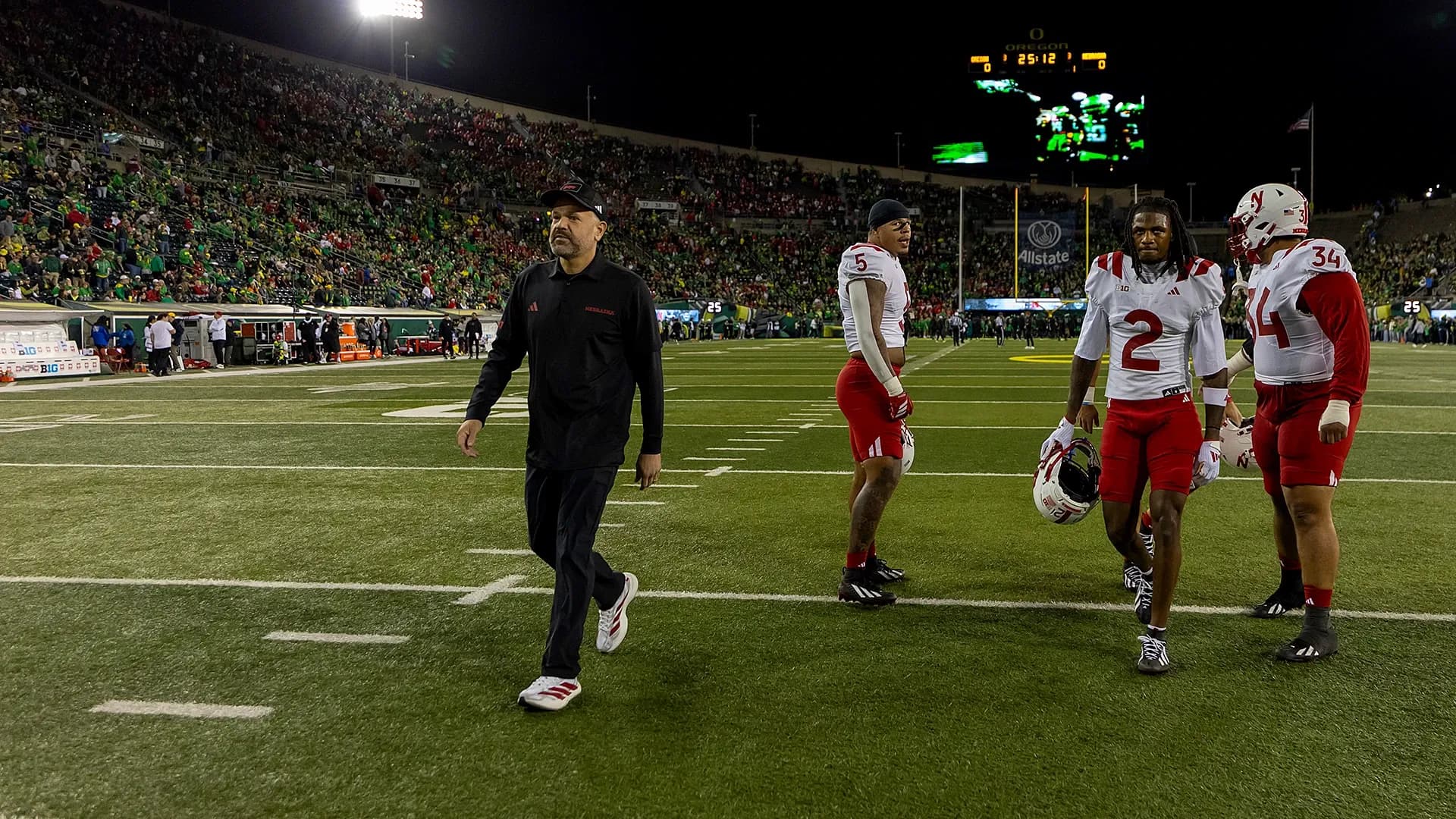

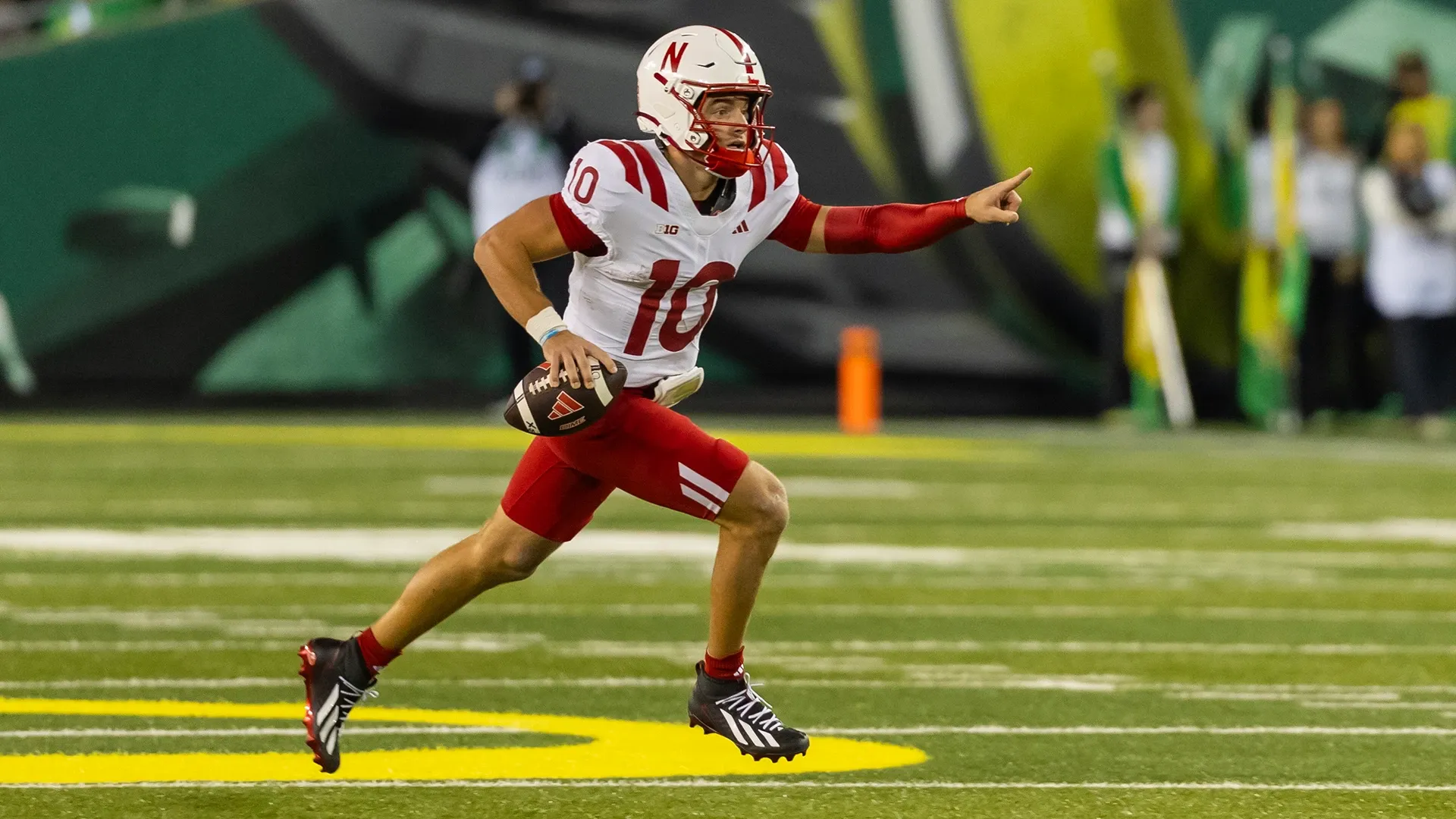
Who needs to sleep to have nightmares when you can just stay up until 2 am and watch one unfold right before your eyes? Nebraska’s 17-14 loss to Oregon was another self-inflicted late collapse, defined by a lifeless offense, catastrophic special teams, and a head coach who again failed to end the one-score nightmares.
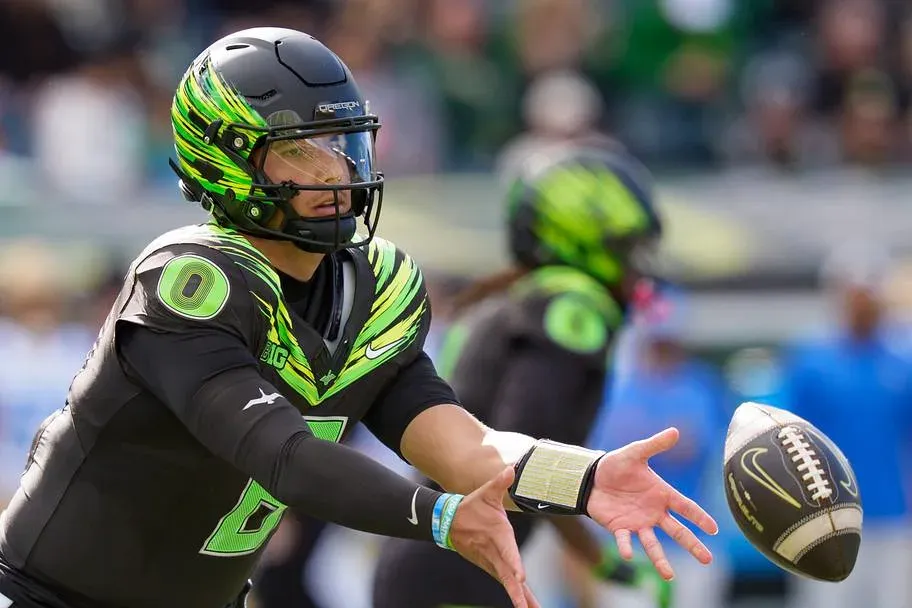
The Cornhuskers held a 14-6 lead entering the fourth quarter after a 6-yard Anthony Colandrea touchdown run with seven seconds left in the third. Dylan Raiola, entered for Oregon and engineered a 69-yard field-goal drive and then a 20-play, 82-yard game-winning march, hitting Jamari Johnson for a 4-yard touchdown with 28 seconds left (plus a 2-point conversion). Oregon finished with identical 242 total yards to Nebraska, but the Ducks took the final 11 points.
Holgorsen’s unit managed a season-low 78 rushing yards on 33 carries and just 242 total yards. Colandrea finished 18-of-33 for 164 yards, one touchdown, one interception, and three sacks, and he accounted for most of the production. The Huskers had stretches of multiple three-and-outs, no sustained rhythm, and an inability to convert opportunities into clock-killing drives when it mattered most. Through three quarters, Nebraska held a clear statistical edge (roughly 210 yards to Oregon’s 91), yet Holgorsen’s play-calling stayed conservative and ineffective when the team needed to protect its lead and rest the defense. The result was predictable: Oregon’s final two drives consumed nearly 13 minutes of the fourth quarter while Nebraska’s offense produced almost nothing of consequence. This is not “gritty” football; it is an offense that cannot impose itself against a struggling defense for most of the night. Holgorsen was set to call plays without a conscience and to truly make the offense his own. Instead, Nebraska still looks stagnant, one-dimensional, and borderline pathetic in critical moments. Without Anthony Colandrea, Dana is likely on the hot seat.
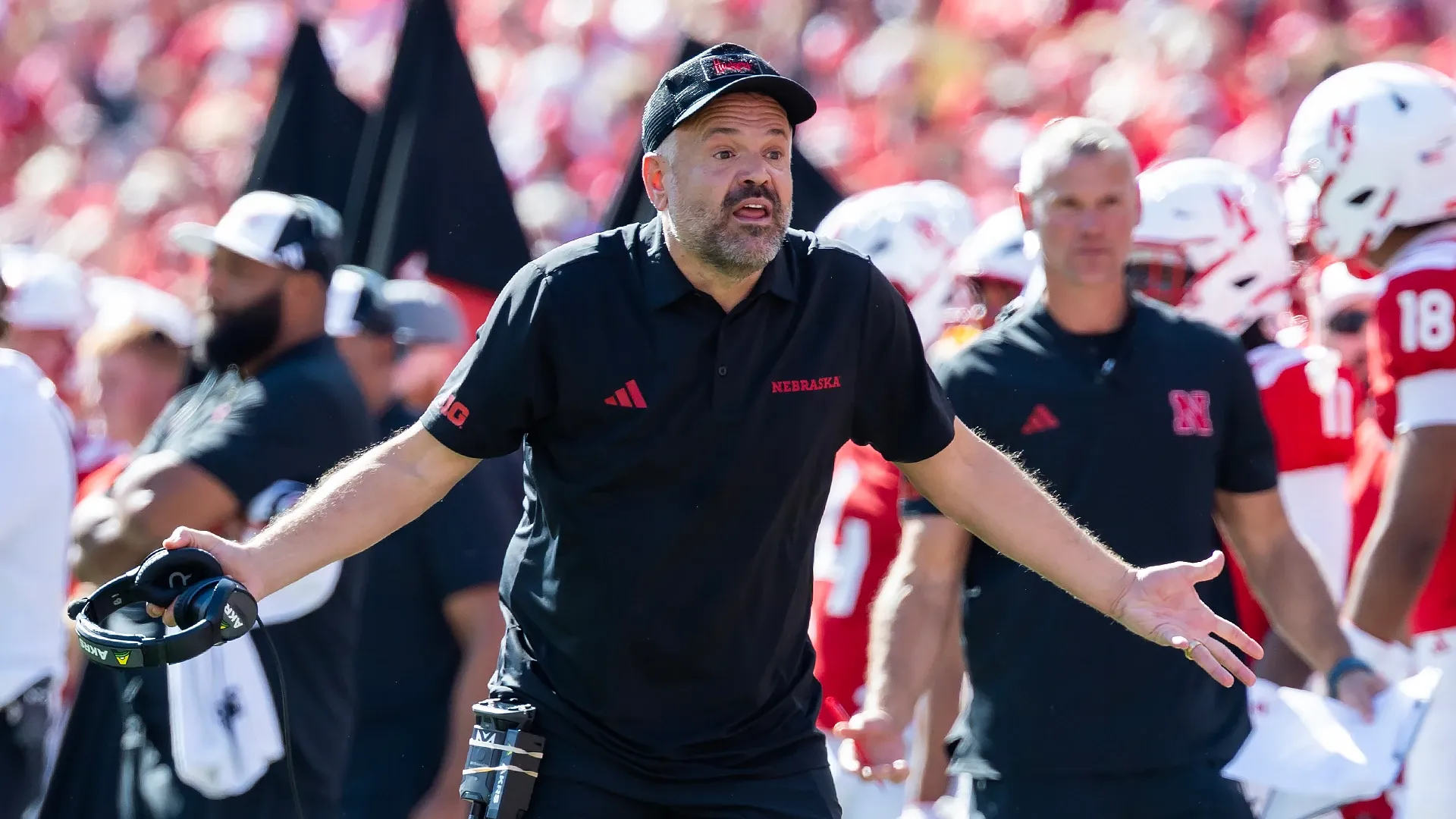
This was the second consecutive week Nebraska led late and lost by a field goal or less. Rhule acknowledged the defense’s effort but attributed the fade to fatigue from being on the field too long; an admission that the offense and coaching decisions left the Blackshirts exposed. Fans and media members noted the lack of consistent pressure on Raiola during the decisive drives, questionable timeout usage, and a broader failure to adjust once Oregon settled into a methodical, short-yardage attack. The pattern of close losses in “signature” opportunities is becoming the defining feature of the Rhule era, not progress. When the game required toughness and execution for a full 60 minutes, the head coach’s program fell short again.
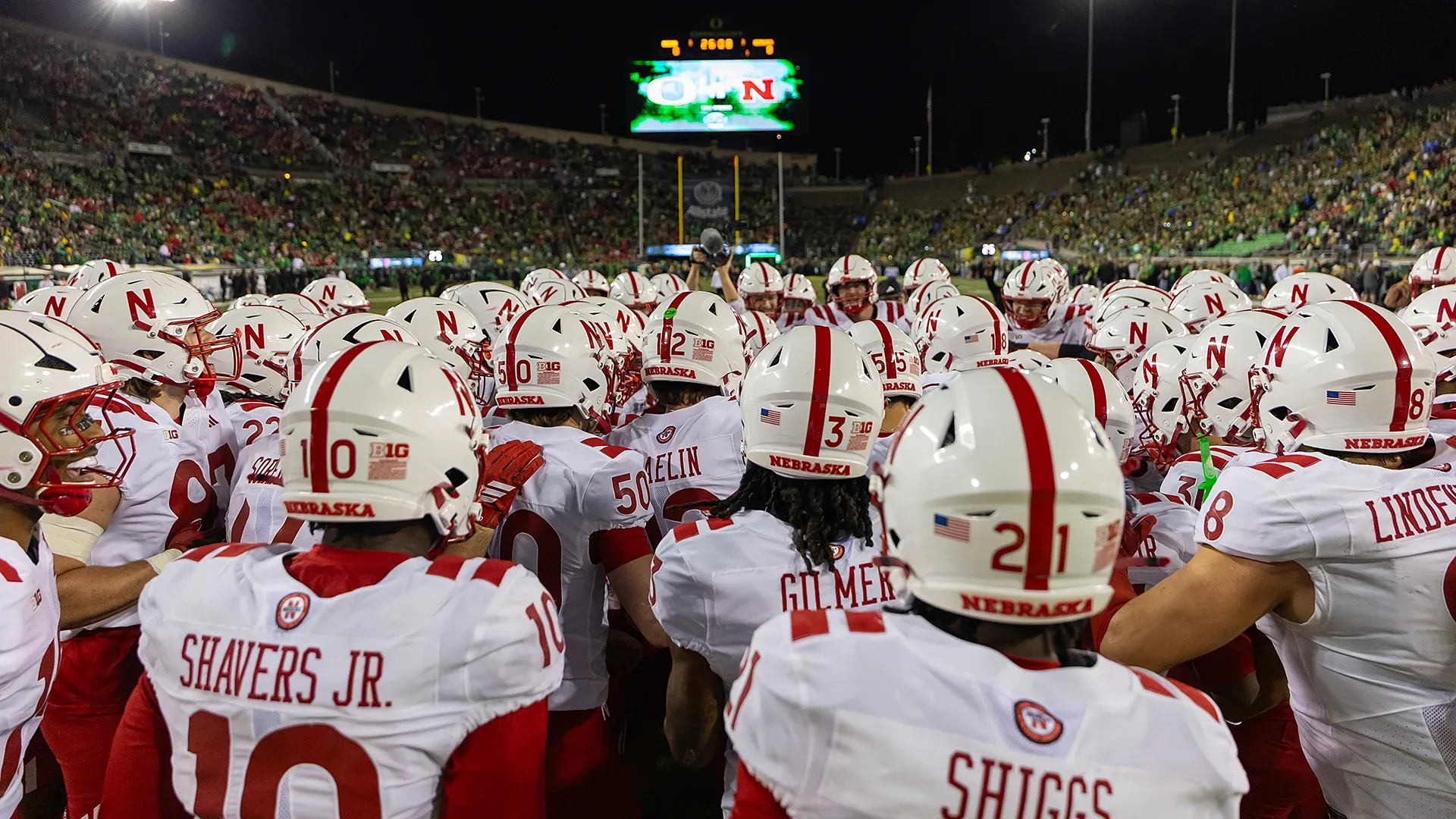
Defensive coordinator Rob Aurich’s Blackshirts were the only unit that consistently performed at a high level. They held Oregon to roughly 50 yards and two first downs in the first half, limited the Ducks to about 91 yards through three quarters, and recorded a season-high 11 tackles for loss. Oregon converted just 3 of 17 third downs overall. Rhule himself called it one of the finer defensive performances he has been around, noting the unit faced short fields from special-teams mistakes yet still kept the score manageable until fatigue set in. Aurich’s scheme of simple, fast, and violent kept a talented Oregon attack in check for the majority of the night. The late gashes came after the defense had already carried the team. In a game where the offense and special teams actively hurt the Huskers, Aurich’s group was the sole reason Nebraska was even in position to win.
Special teams coordinator Brett Maher oversaw multiple damaging mistakes. Early in the second half, a low snap forced punter Archie Wilson to take a knee, handing Oregon the ball near the Nebraska 19-yard line and leading to a field goal that cut the lead to 7-3. Kickoff returns by Nyziah Hunter repeatedly started drives short of the 20-yard line or even the 15-yard line. Additional issues with field position and a muffed return further compounded the problem. Analysts graded the unit a D, and the errors continued a troubling theme for this year's special teams. These are not minor miscues in a rock fight; they directly altered the score and field position in a game decided by three points. Maher’s unit has not been the reliable advantage it was billed as after last season’s improvements.
Nebraska now heads into a bye week at 5-2, still searching for a signature Big Ten road win and still burdened by the same late-game failures. Aurich’s defense gave the team a genuine chance. Holgorsen’s offense, Rhule’s overall management, and Maher’s special teams did not. Until those areas improve, close losses like this one will continue to define the season.